
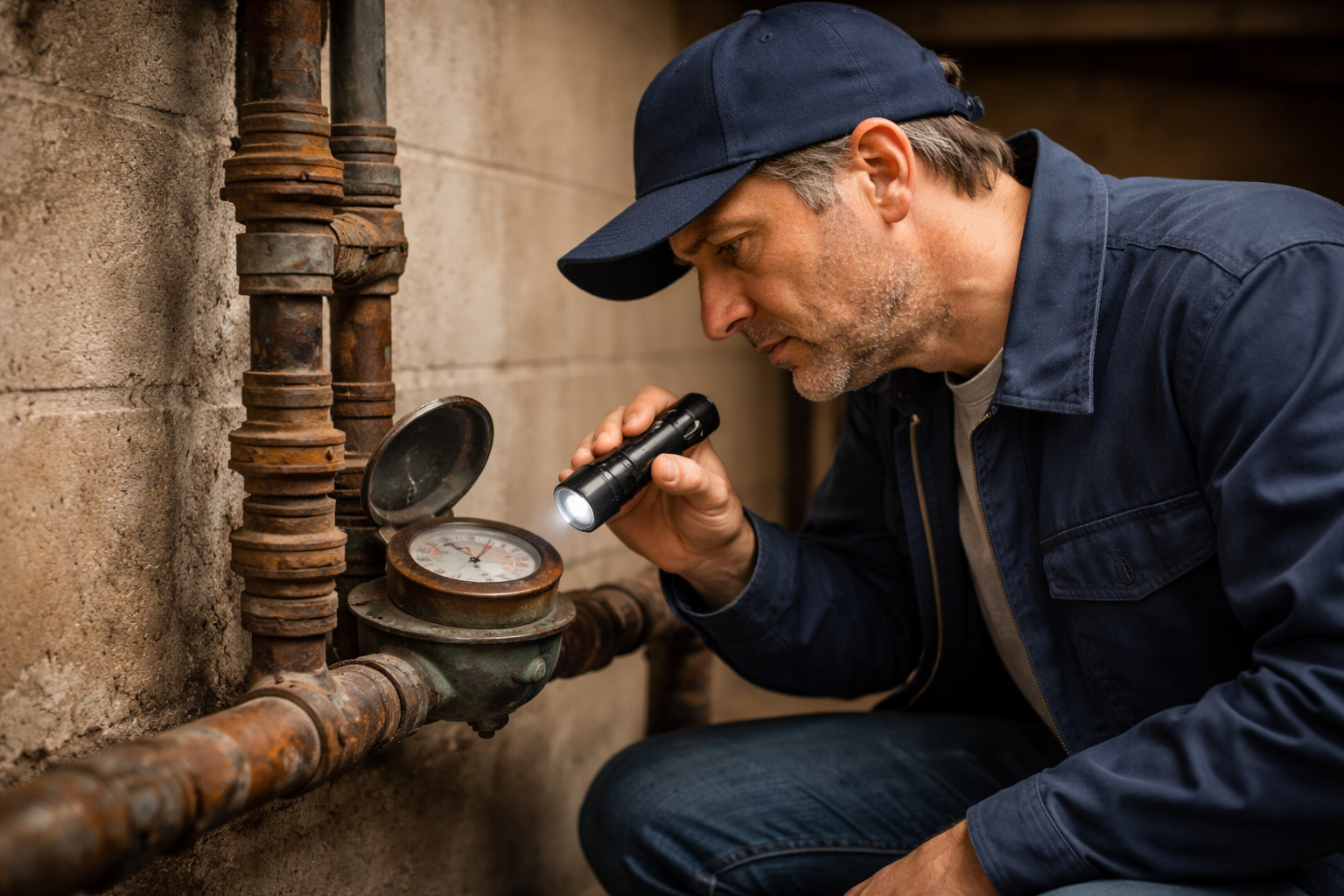
For property managers, water submeters are more than just a utility tool—they’re essential for fair billing, cost recovery, and promoting responsible water usage among residents. But over time, even the best submeters lose accuracy. If left unaddressed, this degradation can quietly impact your bottom line and create unnecessary tenant disputes.
Here’s what every property manager should understand about water submeter degradation—and how to stay ahead of it.
Why Submeter Accuracy Matters in Property Management
Why Submeter Accuracy Matters in Property Management
Submetering allows you to allocate water costs based on actual usage rather than splitting bills evenly. When meters are working properly, this creates:
- Fair and transparent billing
- Increased resident accountability
- Lower overall water consumption
However, when submeters degrade, accuracy suffers—and that can lead to revenue loss or tenant dissatisfaction.
What Causes Submeters to Degrade?
What Causes Submeters to Degrade?
1. Everyday Wear and Tear
1. Everyday Wear and Tear
Many submeters rely on internal moving parts that measure water flow. Over time, these parts wear down, especially in high-usage properties. As a result, meters may stop capturing low-flow usage like slow leaks or dripping faucets.
2. Water Quality Issues
2. Water Quality Issues
If your property has hard water or sediment in the system, mineral buildup can accumulate inside the meter. This reduces sensitivity and can cause under-reporting.
3. Aging Technology
3. Aging Technology
Older submeters—especially mechanical models—tend to degrade faster. Even newer electronic meters can experience sensor drift or battery issues over time.
4. Environmental and Installation Factors
4. Environmental and Installation Factors
Things like pressure fluctuations, temperature extremes, or improper installation can accelerate wear and shorten a meter’s effective life.
How Degradation Impacts Your Property
How Degradation Impacts Your Property
Lost Revenue
Lost Revenue
The most common issue is under-registration—meters not capturing all the water being used. Across multiple units, even small inaccuracies can add up to significant monthly losses.
Tenant Complaints and Disputes
Tenant Complaints and Disputes
Inconsistent or inaccurate billing can lead to resident frustration, complaints, and even legal concerns in some regions.
Missed Leak Detection
Missed Leak Detection
Accurate submeters help identify leaks early. Degraded meters may fail to detect low-flow leaks, leading to higher utility costs and potential property damage.
Compliance Risks
Compliance Risks
Some municipalities have regulations around utility billing. Inaccurate submetering could put your property at risk of non-compliance.
Warning Signs Property Managers Should Watch For
Warning Signs Property Managers Should Watch For
- A growing gap between the master meter and total submeter readings
- Unexplained drops in billed water usage
- Residents questioning their water bills
- Meters failing to register low or intermittent flow
If you’re seeing any of these, it may be time to evaluate your submeters.
Best Practices for Managing Submeter Performance
Best Practices for Managing Submeter Performance
1. Implement a Replacement Schedule
1. Implement a Replacement Schedule
Don’t wait for meters to fail. Many experts recommend replacing mechanical submeters every 8–12 years. High-usage properties may need shorter cycles.
2. Conduct Routine Accuracy Testing
2. Conduct Routine Accuracy Testing
Periodic testing helps you identify underperforming meters before they impact revenue or tenant trust.
3. Consider Upgrading to Smart or Ultrasonic Meters
3. Consider Upgrading to Smart or Ultrasonic Meters
Modern submeters have no moving parts and maintain accuracy longer. They also provide better data, especially for detecting leaks and low-flow usage.
4. Monitor Your Data Regularly
4. Monitor Your Data Regularly
Compare master meter readings to submeter totals monthly. This is one of the simplest ways to catch issues early.
5. Address Water Quality
5. Address Water Quality
If mineral buildup is a known issue, consider filtration or water treatment solutions to extend meter lifespan.
The Bottom Line
The Bottom Line
Water submeter degradation is inevitable—but unmanaged degradation is avoidable.
For property managers, staying proactive with maintenance, monitoring, and replacement isn’t just about equipment—it’s about protecting revenue, maintaining resident trust, and running an efficient operation.
A small investment in submeter management today can prevent major headaches—and expenses—down the road.